
About the show
Why we made this
The Million Naira Hustle Reality Show was born out of a very specific frustration: Nigerian reality television had built an entire genre around lifestyle, romance, and dating as the prize when the real story of Nigeria, and of Lagos in particular, has always been the hustle itself. Other shows gave Nigeria a house. The Grind Villa gives Nigeria a mirror.
The show was created to answer a question nobody in Nigerian TV was asking loudly enough: what happens when you strip someone of their professional identity and hand them a stranger’s life do they sink, or do they grind? That question is not just television. It is the lived experience of millions of Nigerians who reinvent themselves daily out of necessity, ambition, or survival.
At its creative core, the show exists because Lagos is the most format-rich city on the continent, and no show had claimed it as the actual arena rather than a shooting backdrop. The streets, markets, traffic, and trades of Lagos are the real cast. The contestants are just the ones brave enough to enter.
Against the template
How it challenges the status quo
Nigerian reality television has, for the last decade, operated on a remarkably narrow format template. The Million Naira Hustle Reality Show challenges that template at every structural level.
Season arc
The rhythm of a season
The elimination mechanic has meaning
The Grind Car is not a cinematic moment. It is a metaphor.
In a city where millions arrive daily chasing opportunity, being driven out carries emotional weight that no trap door or keys-in-a-bowl ceremony can match. The ritual fits the city. The exit means something.
Why it matters
The value of The Million Naira Hustle Reality Show to society
It dignifies the everyday worker
Nigeria has a massive informal economy street vendors, market traders, logistics riders, food sellers whose economic output is enormous but whose cultural representation on television is minimal, and often comedic. The Million Naira Hustle Reality Show puts those professions at the centre of competition, not at the edge of it. When a banker is forced to sell suya on Broad Street and a tech bro navigates Oshodi Market, the show is saying explicitly: these trades require real skill, real intelligence, and real courage.
It models adaptability as a survival skill
The core mechanic being assigned a stranger’s profession is a controlled dramatisation of something Nigerians already navigate: economic disruption, job loss, career pivots, hustle culture. By framing adaptability as a competition skill rather than a crisis response, the show redefines resilience as something to be celebrated and aspired to, not merely endured.
It is a platform for aspiring entrepreneurs
The contestants are not celebrities. They are real people with real trades and real ambitions. Their visibility on a national and potentially continental platform is a form of economic opportunity for the individuals, and by extension for the communities and industries they represent. Sponsors who align with the show are not just buying media; they are buying access to an audience primed by the show’s own values to admire craft, effort, and enterprise.
It democratises the idea of “winning”
Unlike shows where winning is determined by popularity alone, The Million Naira Hustle Reality Show ties the crown to demonstrated competence in unfamiliar conditions. The ₦50,000,000 prize is not handed to the most charming or the most controversial housemate it is earned by the person Lagos itself decides can hustle hardest. That is a more honest, and more Nigerian, definition of success.
Host “The Architect”
Wole
“I don’t hand out hustles. I hand out mirrors.”
The people behind it
Built by the people who made Nigerian TV
The production team carries credits from the biggest unscripted and drama formats in the country’s broadcast history.
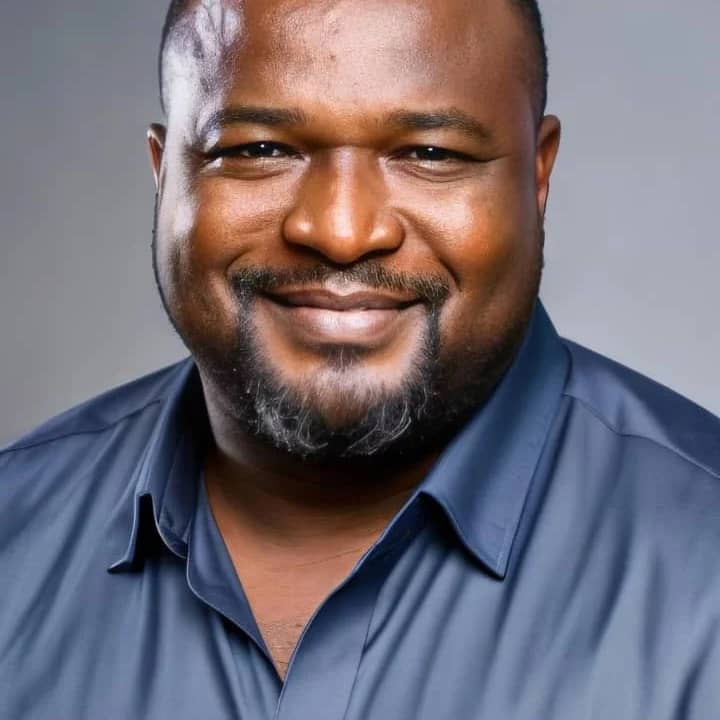
Abimbola Ogunsanya
Show Runner / Creative Director Production & Camera
Part of the crew that shot the first 65 episodes of Tinsel, Africa’s longest-running television drama, and worked as a professional cameraman on Project Fame West Africa, Nigerian Idol, and Let’s Dance. Trained under veteran filmmaker Tunde Kelani, with a personal body of work in short-form documentary focused on the lives of ordinary Nigerians.
For sponsorship, media kits, or format licensing
Reach the production team directly we’ll walk you through tier options, on-screen integration, and Season 2 renewal rights.